
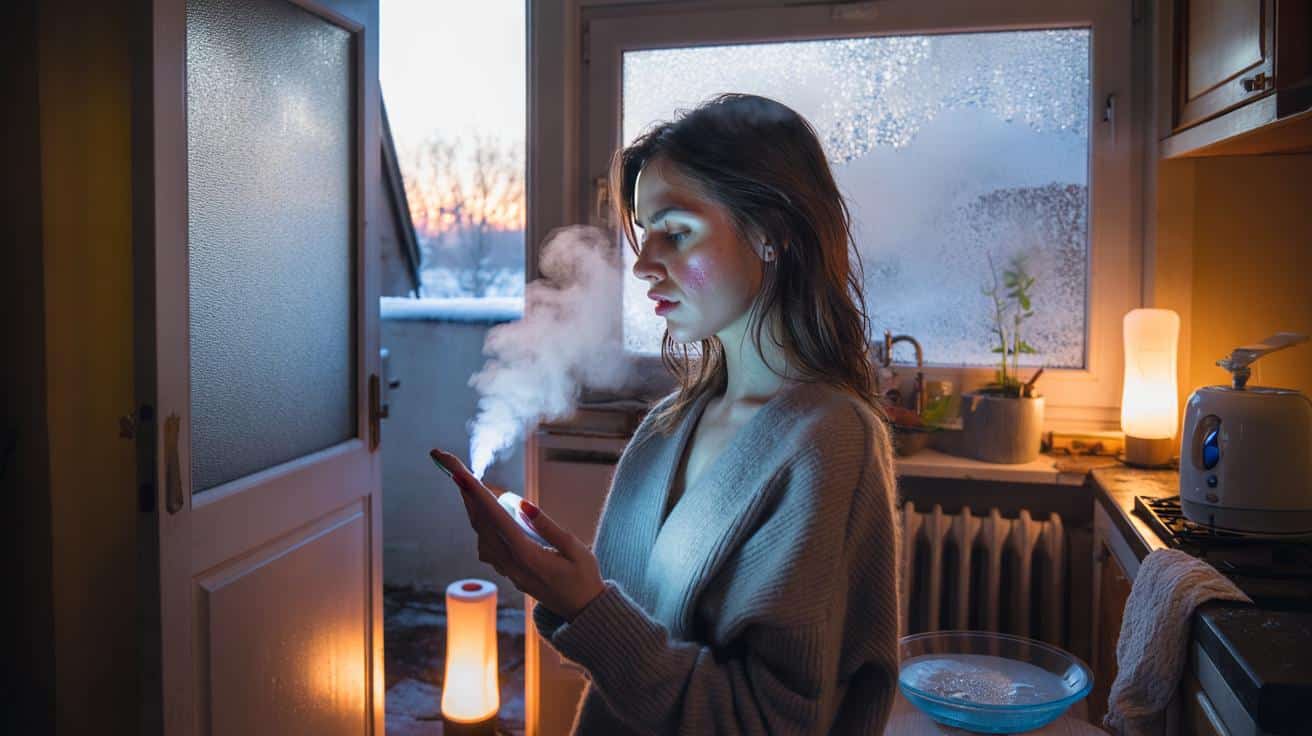
A new wave of research is drawing a quieter picture behind the soft blankets and hot showers: some winter habits carry a health cost that rarely makes the headlines. Small, ordinary choices nudging immunity, blood pressure, mood and sleep, not in dramatic bursts but in dozens of tiny daily ways. That tension between comfort and consequence is the winter story we rarely tell ourselves.
The window was filmed with frost, the kind that turns the street outside into a postcard. In the kitchen, the kettle hissed; the little fan heater burred as if purring at its own warmth. I tugged on a jumper still warm from the radiator and took a shower that steamed the mirror to fog. Seconds later, eyes half-open, I scrolled the weather, then the news, then nothing in particular. Outside, the air bit at my throat and the bus was a breathless sprint away. These rituals feel safe. Your body keeps the score.
Hidden costs of cosy routines
Across the UK, radiators hum and long, hot showers become a kind of therapy. We’ve all had that moment when the heating clicks on and the room feels safer than the day outside. That comfort isn’t the villain. The tricky part is how the season nudges us into a cluster of behaviours that, together, load the dice against our bodies.
A new study of everyday winter habits highlights this quiet compounding. Think drier indoor air as boilers blast, fewer daylight minutes on skin, later nights with streaming glow, and more time seated, shoulders hunched. Picture Maya, 34, who swears her colds arrive like clockwork once the thermostat goes up and her lunchtime walk vanishes. Her pattern isn’t dramatic, yet by February she feels “constantly recovering” rather than fully well.
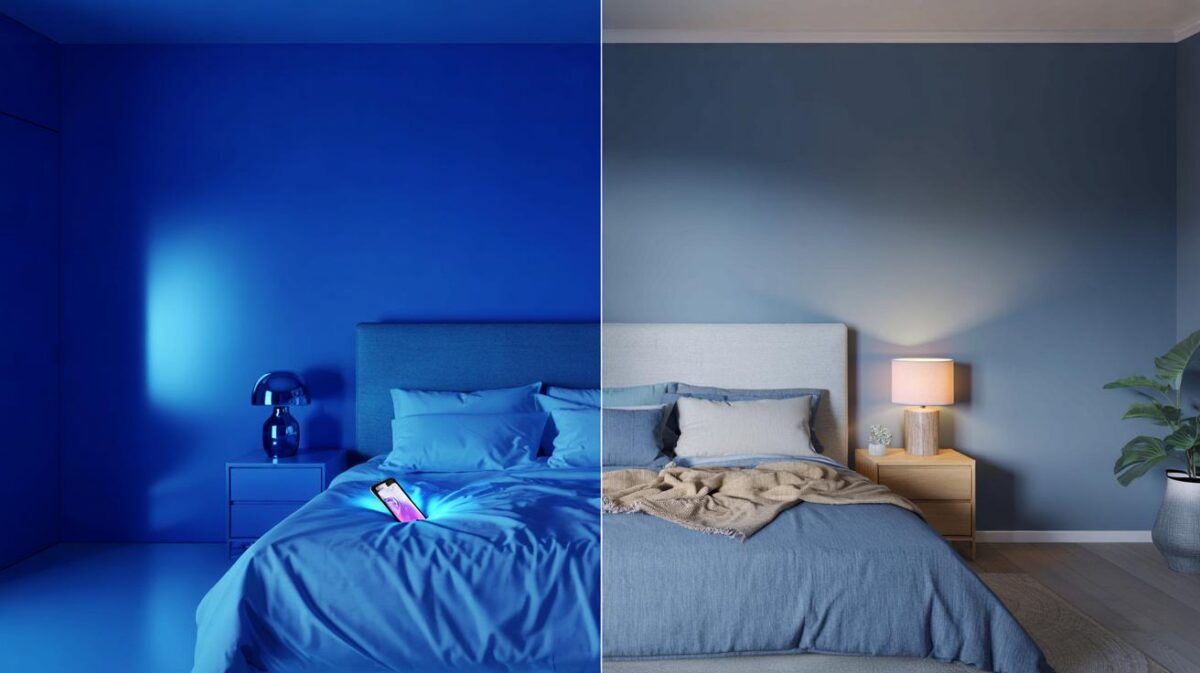
There’s physiology underneath the anecdote. Heated rooms often drop relative humidity, and that parches the protective lining of the nose and throat, trimming the body’s first defence. *Your lungs notice the difference.* Late-night blue light slides melatonin off schedule, which leaves immune cells operating out of rhythm. Fast temperature swings from scalding shower to icy pavement squeeze blood vessels and can spike blood pressure in sensitive people. Small stressors, layered daily, can feed a cycle of low-grade strain and **hidden inflammation**.
Small switches with big pay-off
First, tame the indoor desert. Aim for a middle ground: gentle warmth with a touch of moisture. A simple hygrometer helps you keep rooms near 40–50% humidity, or try the low-tech bowl-of-water-on-the-radiator trick. Keep showers warm, not volcanic, and end with a brisk 15-second cool rinse to steady circulation. Step outside within an hour of waking, even for five minutes. Light on eyes early helps your sleep later.
Next, set winter to “steady” rather than “on/off”. Sip water through the day, not just tea. Take a ten-minute daylight walk after lunch, coat zipped and shoulders down. Open windows for a two-minute cross-breeze when the heating turns off. Keep evening screens on night mode and park the doomscroll by a fixed time. Let’s be honest: nobody does this every day. Aim for most days, and forgive the rest.
Experts stress the power of small routines done consistently. Two or three tweaks beat a January overhaul that fades by February.
“Think of winter like a training block,” says a GP I spoke to. “You’re not chasing perfection. You’re building a rhythm your body can trust.”
Use quick swaps to blunt the harsh edges of the season and turn **cold shock** into a gentle cue instead of a jolt.
- Keep indoor temperatures moderate and add layers before cranking the dial.
- Swap one late-night episode for a book chapter under a warm lamp.
- Batch-cook brothy soups with beans or chicken for easy, warming protein.
- Anchor a five-minute stretch or stair session to the kettle boil.
- Crack a window after showering to clear steam and keep air moving.
What winter might be asking of us
Winter isn’t only a test; it’s a teacher. The season shrinks the world to rooms and routines and asks what those rituals are doing to us. Maybe the lesson isn’t heroic ice baths or quitting screens forever, but noticing how often comfort becomes a reflex. You can make cosiness an ally rather than a trap by shaping it with light, air, timing and a few stable anchors. This study doesn’t scold; it points a torch at the quiet patterns we stop seeing. Change doesn’t have to be loud. One walk after lunch. One cooler minute in the shower. One earlier night, not every night, but more of them. The body loves patterns that are predictable more than promises that are perfect. The trick is to stack gentle wins until the season bends a little in your favour.
| Key point | Detail | Interest for the reader |
|---|---|---|
| Dry indoor air strains defences | Low humidity parches nasal lining and helps viruses linger | Simple humidity tweaks can cut winter bugs |
| Light timing shapes sleep and mood | Morning daylight anchors melatonin; late screens delay it | Quick walks and screen settings ease **sleep debt** risk |
| Gentle contrasts beat extremes | Warmth with brief cool finishes steadies circulation | Short, doable routines without drastic changes |
FAQ :
- Does turning the heating up make you ill?Heat itself doesn’t cause illness, but very dry, warm air can irritate airways and help viruses spread. Keep rooms comfortable and add moisture rather than blasting the thermostat.
- How much daylight do I need in winter?Even five to ten minutes outdoors within an hour of waking helps. Longer is better, yet a short, consistent dose still shifts your clock in the right direction.
- Are cold showers good for me?A brief cool finish can support circulation and alertness. Start with 10–20 seconds at the end of a warm shower and see how you feel. If you have heart issues, check with your GP.
- Can comfort food hurt my immunity?Warming dishes are great. Go for stews, soups and grains that carry protein and veg, not just fast sugar. Balanced fuel steadies energy when days feel heavy.
- Do candles and diffusers affect indoor air?They can. Scented candles and some oils add particles to the air. Ventilate after use or choose cleaner options like beeswax and keep them occasional.






Isn’t this just common sense—heat dries air, late screens wreck sleep? Do we definitley need a « study » for this, or is there new data behind the blood pressure and inflammation claims? Link to methods would help.