
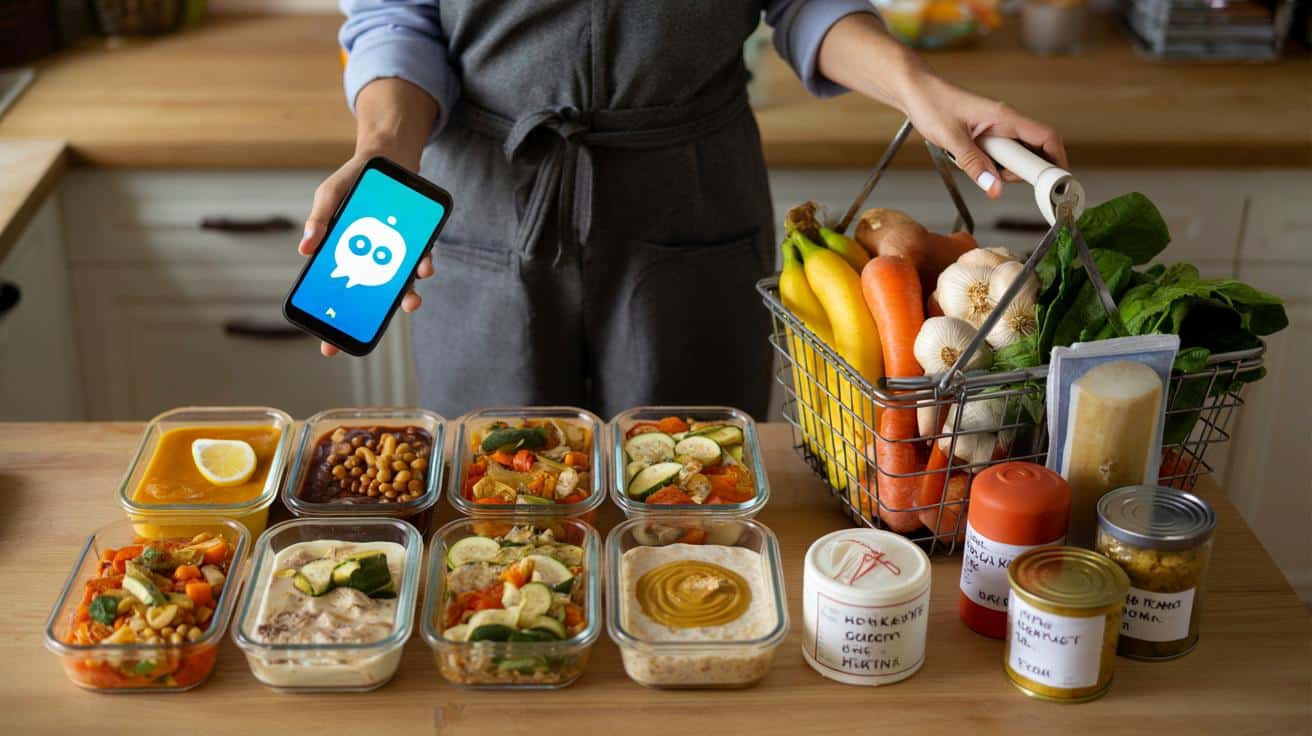
” spiral is very real. I gave my shopping to a chatbot with one simple rule: feed me for a week on £30. No fancy appliances, no mystery ingredients, no endless scrolling. Just a basket, a plan, and a hungry Londoner.
I was hunched over my phone on a Sunday afternoon, receipts fanned like playing cards, fridge light cutting through a Tetris of leftovers. The house felt quiet, the kind of quiet that makes a tin of beans look heroic. I opened a chatbot and typed a plea that sounded half confession, half dare: build me a week’s meals for £30, with real vegetables and zero faff.
The bot asked what I owned, what I liked, what I’d rather not eat. It was weirdly gentle. Fifteen minutes later I had a shopping list, a timetable, and a pace I could keep. Could code beat my chaos?
What happened when I handed dinner to a bot
The bot started with rules, which calmed me. It asked for my staples, my hob and oven, whether I could batch-cook on Sunday. Then it smuggled in a strategy: repeat ingredients across meals, change the textures, keep flavour moving. I could feel the budget in the bones of the plan.
Breakfasts were porridge with sliced banana and a swirl of peanut butter. Lunches leaned on chickpea salad wraps, eggs on toast, carrot and lentil soup. Dinners hopped from roasted veg pasta to smoky bean chilli, then a traybake with chicken thighs and courgettes. Nothing showy. Everything achievable after work.
By Thursday, I realised the genius wasn’t the recipes, it was the overlaps. Buy one big bag of carrots? They show up as soup, shaved in wraps, then roasted until sweet at the end of the week. That’s not stingy, that’s smart. And I still had snacks.
A week that actually tasted good
Here’s the bit I didn’t expect: it was lovely. Monday’s carrot and lentil soup was bright with lemon and paprika; Tuesday’s pasta felt indulgent with silky, garlicky courgettes; Wednesday’s chilli had cocoa powder and smoked paprika, which made it moody in the best way. The food put its arm around you.
My basket came from the usual high-street suspects: own-brand oats, a kilo of carrots, tinned tomatoes, chickpeas, kidney beans, a bag of spinach, onions, garlic, a multipack of bananas, a jar of peanut butter, a packet of pasta, eight eggs, chicken thighs, a block of cheddar, a loaf of wholemeal, yoghurt, and a small lemon. I used oil and spices I already had. The till flashed £29.12. I walked home smug.
The cooking rhythm changed, too. Sunday became 90 minutes of calm: chop, roast, simmer, cool. Then little ten-minute jobs during the week. It wasn’t meal prep as penance. It was meal prep as breathing space. *I stopped doom-snacking because dinner was already halfway done.*
Why this works on a tight budget
The bot takes away the most expensive item in the supermarket: impulse. It locks you into a plan that cycles through the same base ingredients without feeling like a rerun. It knows that roast chicken thighs can become wraps, then a noodle soup with the stock, then a toastie with leftover cheddar.
It also plays with texture. Same carrot, different mood: creamy purée, crisp matchsticks, caramelised wedges. Same chickpeas, different job: salad star, curry backbone, crunchy pan-fried crouton. All of a sudden, a cheap list doesn’t feel cheap.
Under the bonnet, it’s pattern maths. The bot prioritises staples with protein and fibre, backs them with veg that keeps, then adds one or two flavour bombs. Lemon, paprika, soy, a spoon of peanut butter. You get variety without the waste. That’s the wallet win.
How to prompt a bot for a £30 week
Be specific and small. I wrote: “Plan breakfast, lunch and dinner for one adult for 7 days for under £30 in the UK. Use prices typical of supermarkets. I have salt, pepper, oil, paprika, cumin, soy sauce. I have hob and oven. I can batch-cook for 90 minutes on Sunday. Avoid mushrooms.” Then I asked for a single shopping list with quantities. I wanted cheap, quick, and not boring.
Next, get it to split the work. Ask for: “What to batch-cook on Sunday, what to cook fresh, and how to store leftovers.” It will give you a simple timetable. Freeze two dinners, chill three lunches, keep veg prepped in cold water. Let it do the thinking, you do the doing.
We’ve all had that moment when you stare into the fridge and your brain offers toast. So tell the bot your actual life. “Home late on Wednesdays”, “no microwave at work”, “I can’t face washing six pans”. It will cut steps and nudge you to reuse trays and pots. Let it be realistic. Let it be kind.
Mistakes I made (so you don’t)
I forgot the tiny things. Foil. Baking paper. A lemon can be swapped for vinegar, but not if you’re out of both. I now add a line to the bot: “Include any cheap extras I might need for the methods, like foil or vinegar.” It’ll add 50p items that save a meltdown mid-recipe.
I also asked for too many new flavours at once. Five new spices turns a £30 plan into a £50 experiment. Keep your spice rack static for the first week. Then rotate one new flavour in each shop. Let your cupboard grow with you.
Let’s be honest: nobody really does this every day. Real life throws birthdays, trains, and “pub?” at 5:58pm. Build slack into the plan. Ask the bot for two “freezer insurance” portions and one back-pocket dinner that uses toast, eggs, and tomatoes. That’s your parachute.
What the bot actually gave me
It printed a calm, tidy week. Breakfasts: porridge with banana and peanut butter; yoghurt with oats and grated apple; eggs on toast. Lunches: chickpea salad wraps; carrot and lentil soup; leftover chilli. Dinners: roasted veg pasta; smoky bean chilli; lemony chicken traybake; cheesy toasties with tomato salad; quick noodle soup with greens. It felt grown-up without being precious.
Batch-cook set-up was simple. Roast a tray of carrots, onions and courgettes; simmer lentils with stock and paprika; cook extra rice for the chilli; boil six eggs. The rest were ten-minute assemblies. I had time to read while the oven did the heavy lifting. My kitchen smelled like I lived there on purpose.
The flavours were gentle, then surprisingly punchy. A spoon of soy in the chilli deepened it. Lemon zest on the traybake lifted everything. Peanut butter turned noodles into something slurpable and happy. I didn’t miss takeaways. I didn’t miss choice paralysis. I slept better because dinner stopped being late-night admin.
Advice from an actual registered nutritionist
I sent the plan to a nutritionist friend to sanity-check it. She liked the fibre and the variety across the week, and told me to add a frozen berry bag next time if the budget allows. Tiny swap, big breakfast upgrade. It felt doable, not preachy.
Her bigger point: don’t chase perfection. If your week only has five home-cooked meals, that’s still a win. If you switch one dinner for a jacket potato with beans, that’s still a win. Plans are there to support you, not score you.
She also warned about portions. A “serves four” chilli is generous if you’re petite and a light lunch if you’re a marathon in shoes. The bot can’t see you. You get to edit. Here’s what she told me:
“Keep the bones of the plan and flex the details. Add an apple. Add a slice of toast. Add olive oil if your energy needs are higher. Cheap can still be nourishing.”
- Protein anchors: eggs, chickpeas, chicken thighs, yoghurt, cheddar.
- Long-life veg: carrots, onions, tinned tomatoes, courgettes.
- Starch stretchers: oats, pasta, wholemeal loaf, rice, noodles.
- Flavour bombs: lemon, soy sauce, paprika, peanut butter.
- Freezer insurance: two chilli portions, one soup.
Small tweaks that made it sing
I swapped one chicken dinner for a bean-and-spinach curry and still hit the budget. That meant I could splash on frozen berries for breakfasts. The bot rewrote the week in 30 seconds. I felt oddly… cared for by a spreadsheet ghost.
I also asked it to include two “cook once, eat twice” ideas. It turned roasted carrots into a mash for toasties, then into a side with lemon and parsley. It turned leftover noodles into a brothy soup with soy and chilli. Same shopping list, new tricks. That’s when it started to feel like a kitchen coach.
Finally, I asked for a five-minute snack list so I’d stop buying chocolate at 4pm. It suggested yoghurt with oats and cinnamon, peanut butter on toast with sliced banana, and grated carrot with lemon and salt. Nothing glamorous. Everything reliable. My afternoons stopped wobbling.
What I’d do next week
I’d keep the backbone and rotate two stars. Swap chickpeas for red lentils. Swap courgette for frozen peas. Keep the chilli, keep the traybake, keep the soup. That way the shopping list stays tight, the habits stick, and the flavours still feel fresh.
I’d also invite company. Cooking for two barely nudges the price per portion. The bot can scale in a heartbeat, split lunches from dinners, and give a family version with extra veg on the side. It’s not replacing Grandma’s recipes. It’s protecting your Tuesday.
There’s something quietly radical about a week where dinner just… happens. No fight, no guilt, no Deliveroo taps. The plan gets you to the table, and the table does the rest. Leftovers become a promise, not a shrug.
When a chatbot planned my weekly meals for £30, it didn’t feel robotic. It felt like a mate texting you a list and telling you to breathe. Food tasted like relief. My wallet unclenched. And the funniest part? I cooked more, not less, because the thinking was done. The question now isn’t “Can AI feed me?” It’s “What do I want it to free up next?”
| Key point | Detail | Interest for the reader |
|---|---|---|
| — | — | — |
| — | — | — |
| — | — | — |
FAQ :
- Does the £30 include pantry staples?Mine didn’t include oil, salt, pepper, soy, or basic spices. Start with what you own, then add one staple per week to build your shelf.
- Can a chatbot handle allergies or intolerances?Yes. Tell it clearly: “Gluten-free, nut allergy,” and request swaps plus a single shopping list with safe products.
- Will the meals be healthy enough?It can balance protein, fibre and veg if you ask. Add “aim for 30g fibre per day” or “two portions of veg at dinner”. Small tweaks go far.
- What if I hate cooking on Sundays?Ask for a no-batch plan with 20-minute dinners. You’ll cook more nights, but the steps stay light and the washing-up stays sane.
- Which chatbot should I use?Any that can follow multi-step prompts and edit lists. The important bit is your brief: budget, time, tools, and real-life constraints.








Loved the overlap strategy—carrots pulling triple duty, chickpeas doing cameo after cameo. I tried a £30-ish shop today and definitley stayed under by swapping courgettes for frozen peas. My wallet unclenched, my dinners made sense 🙂 Thanks for the nudge!
Not convinced £29.12 is repeatable right now in London. Chicken thighs and eggs have jumped here. Any chance you can post the full list with quantites and store/brand? Otherwise this feels a tad optimistic.