
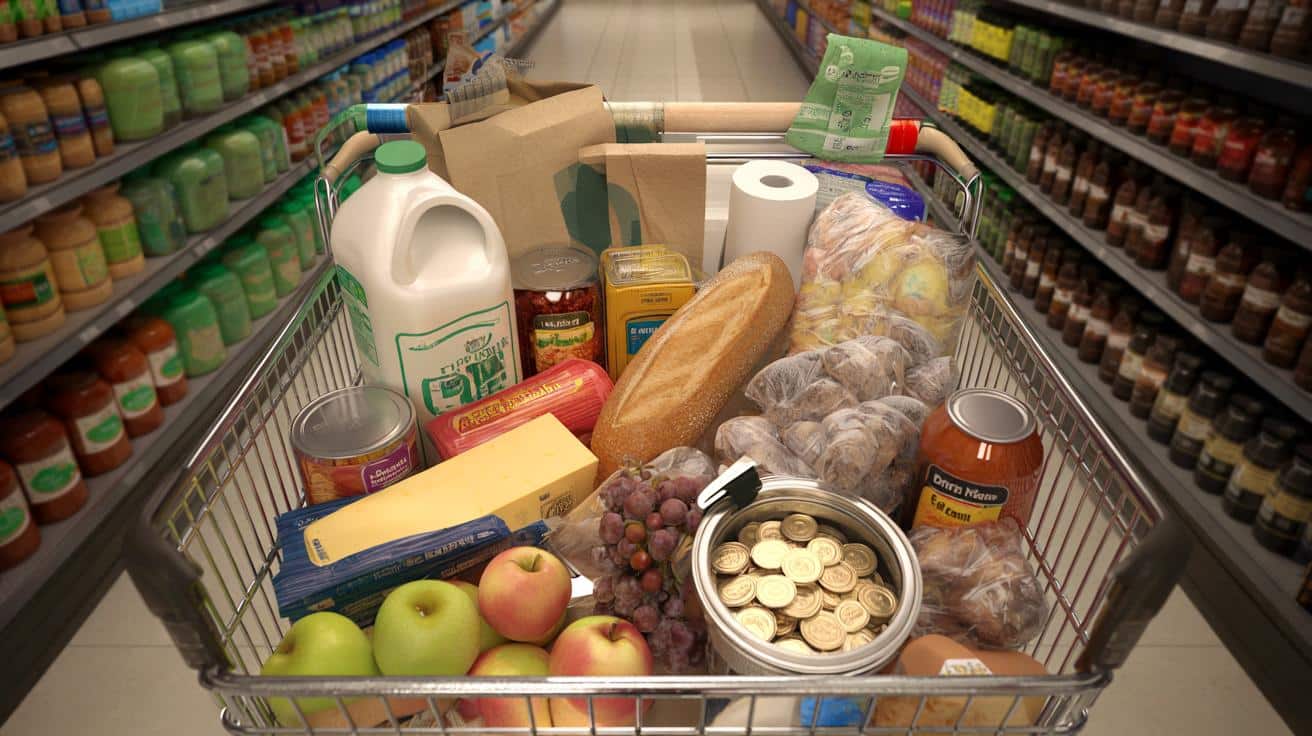
The weekly total turned into a wince, the kind that makes you put back the fancy yoghurt and the posh pesto. So I did the unglamorous thing: I swapped my usual supermarket for a budget alternative for a month. The result shocked me in the most ordinary, useful way.
The first Saturday, rain pinpricked the trolley handle as I steered into a no-frills car park. Inside, the aisles were tighter, the lighting a touch warmer, the bakery smell brazenly comforting. The brands I knew were thinner on the shelf. In their place: confident own-labels with plain fonts and small prices. My list felt like armour, my phone calculator a small, twitchy conscience.
I moved slower than usual, reading unit prices like they were short stories. Tin tomatoes, 35p. Butter, £1.89. Two kids debated which apples looked “more like school”, and an older man tucked a jar of marmalade into his basket like a secret. I could feel my shoulders drop at the till. Then the till blinked a number I didn’t expect.
The switch that trimmed £150 off my bill
Here’s the plain truth: the saving didn’t come from a stunt. No extreme couponing or living on noodles. It came from a different ecosystem. Fewer choices. Lean shelves. Own-label doing the heavy lifting. The budget store trimmed away the noise that usually nudges you toward a pricier brand. I walked out with what I needed, not what a colourful end-cap whispered I should want.
Across four weeks, my regular basket — milk, eggs, bread, cheese, veg, tins, pasta, meat for three meals, cereal, coffee, cleaning bits — came to £288 at my usual mid-market chain. The budget alternative: £138 for two weeks, £150 for the other two. £438 versus £288 is headline enough, but the line items tell the story. Cheddar was £2.19 instead of £3.50. Tin tomatoes 35p versus 69p. A 1.5kg bag of potatoes for 99p, not £1.65. I kept both receipts, flattened under a cookbook like pressed leaves.
Why it works is simple and slightly unsexy. Budget chains build around private label, small footprints, and fast-moving lines. You spend less time comparing 12 kinds of pesto and more time getting on with your day. The psychology is doing work: fewer temptations, clearer prices, stronger default choices. The staff scan like pianists, queues move, and you don’t dawdle into impulse. Package sizes lean family-friendly, unit prices are blunt. Decision fatigue drops. So does your total.
How to replicate the savings on your next shop
Start with a list mapped to meals, not items. Three dinners you know by heart, two that share ingredients, one “freezer flex”. Then anchor your list to own-label first. Walk the fresh produce aisle with unit prices front of mind, not the big-tag “deal”. Grab frozen veg to bridge gaps. Shop the Middle Aisle last, when your trolley is already full and your budget is real, not imaginary.
Common traps? Chasing yellow stickers across town, buying three-for-two when you needed one, insisting only one brand of pasta sauce can touch your pan. We’ve all had that moment when hunger and habit steer the trolley, not the plan. Be kind to yourself, then tweak the route. Swap crisps for a bigger bag decanted at home. Try ground coffee one tier down. Let own-label herbs and spices do their quiet, reliable work. Let’s be honest: nobody actually does that every day.
Think of this like a small experiment with a short run. One month. Same basket, different shelf. Keep your old receipts for comparison and be curious, not purist. You’ll find a handful of items where you want the brand back — that’s fine. The point is to reset your default, not win a prize.
“I don’t want magic,” a reader messaged me after week two. “I want my shop to stop feeling like a bill I’m bracing for.” Same.
- Own-label swaps that worked for me: Greek yoghurt, cheddar, baked beans, pasta, passata.
- Trade-ups worth keeping: tea bags, washing-up liquid, your very favourite bread.
- Shop the middle aisle last so gadget temptations don’t eat the grocery budget.
- Use the per-100g or per-100ml price. It’s the only number that doesn’t flirt with you.
- Bring bags and a couple of boxes; packing at pace is part of the bargain.
What this says about our weekly shop
This isn’t a manifesto, it’s a nudge. The budget switch shaved **£150 saved in four weeks**, but it also shaved friction. I cooked more because the fridge looked calm: fewer orphans, more overlap. The kids said the grapes tasted “like holidays”, which says something about sugar levels and also about mood. The food was familiar, the rituals sturdier. The receipts were almost boring, in a soothing way.
It made me think about choice as a tax. In bigger stores, I pay in time and tiny upgrades I didn’t plan to make. In smaller, I pay in patience at the till and the odd brand I miss. Both are trades. On balance, the budget place felt like I was trading noise for clarity. I could see the week in the basket, not just the marketing.
There’s room here to keep what you love and swap what you don’t care about. Keep the fancy olive oil for Saturdays. Use the 89p passata on Tuesday. Buy the good bread when friends come over. Rotate shops if you live near both. Money is math, sure, but it’s also habit, pride, small comforts, and the weather. Share what you’ve swapped and what you’re keeping. Someone will nick a tip from you, and you from them.
| Key point | Detail | Interest for the reader |
|---|---|---|
| Own-label first | Swap staples like pasta, tinned tomatoes, dairy, and beans | Easy wins without changing meals or recipes |
| Unit price beats “deal” | Compare per-100g/100ml, not splashy shelf labels | Stops sneaky upgrades and multi-buy traps |
| Structure saves | Fewer choices curb impulse, faster tills reduce dawdling | Less decision fatigue, lower total, calmer shop |
FAQ :
- Which budget supermarket did you use?I shopped at a mainstream discount chain with a heavy own-label range — think Aldi or Lidl territory.
- Did quality drop?For most staples, no. A few items didn’t suit my taste, so I mixed in favourites from my usual store.
- How long did the £150 saving take?Four weekly shops. The first week did the heavy lifting once I stuck to the list.
- Is it worth driving farther?Run the numbers. Add fuel and time to the equation; a fortnightly big shop can balance it.
- What if I don’t cook much?Focus on ready-meal equivalents, frozen veg, and simple two-ingredient dinners to keep costs steady.








Loved the ‘own‑label first’ idea—definately helped me stop chasing fake deals. Tried it today and my reciept shrank by £18. Unit prices are my new superpower 😊 Thanks for spelling it out so clearly!