
When a no‑frills tin or box gets called “best value in the UK”, it doesn’t just win a ribbon on a shelf. It rewires how we judge quality, what we deem fair, and which labels we trust with tonight’s dinner. This is about money, taste, and pride at the checkout.
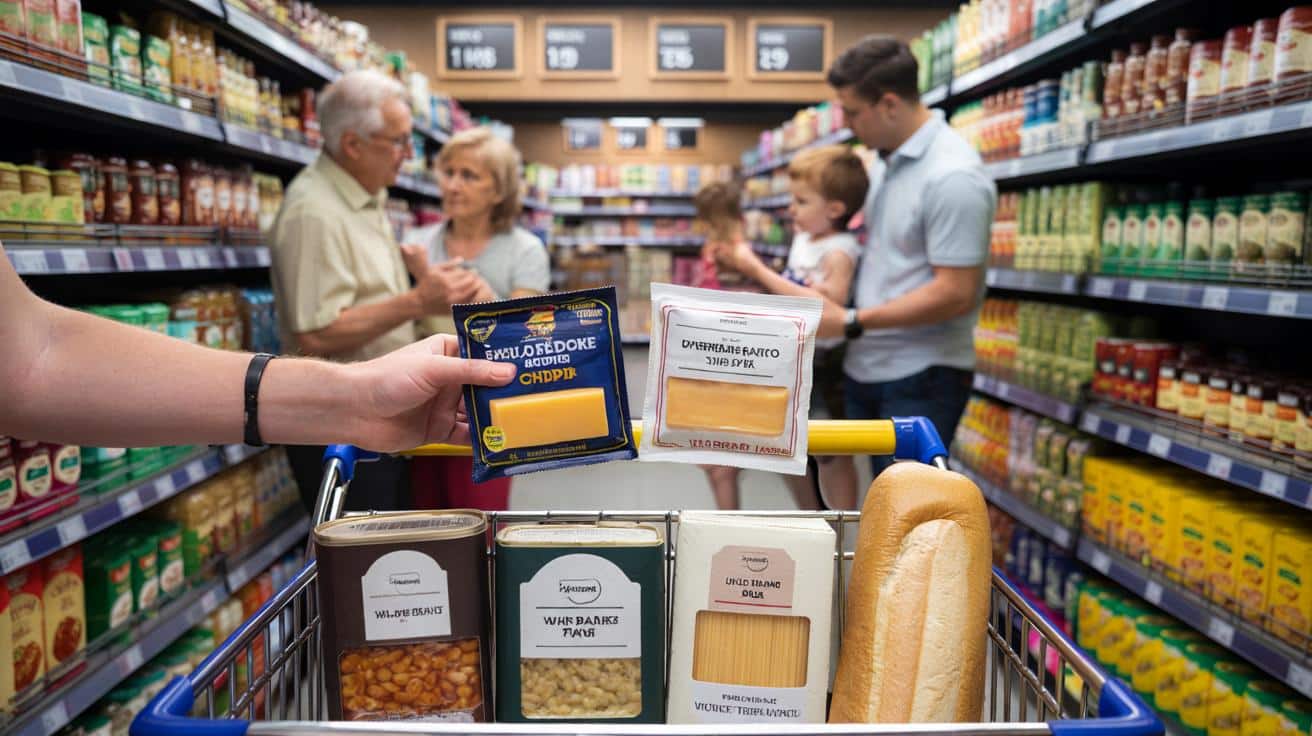
I was standing in the chilled aisle, a queue of trolleys breathing down my neck, watching a young dad compare two near‑identical packs of mature cheddar. Same size. Same colour. One with a famous surname; one with the supermarket’s. He squinted at the tiny unit price, glanced at the kids, then tossed the own‑brand into the basket with a shrug that said, we’ll see. A few feet away, an older couple debated teabags in hushed tones, as if plotting a secret switch. We’ve all had that moment when a small saving feels like a quiet victory. The aisle can be a courtroom where value wins by a whisker. And this week, “best value” just got a new champion.
The crown lands where you least expect
Here’s the thing about the UK’s “best value” label: it rarely lands on flashy packaging. It tends to cling to the supermarket’s own badge, to the product that never shouts. Think store‑brand baked beans, a loaf with a plain-white tab, or a packet of pasta that looks like it was designed on a lunch break. The surprise is how often those quiet products beat the loud ones on price per 100g, while matching — or overtaking — them in blind tastings. The win is rarely about being cheapest alone. It’s about how far a pound actually stretches at home.
Take the everyday staples that actually run British kitchens: beans, cheese, tea, bread. In repeated consumer panels and blind tests, shoppers pick own‑brand more than you’d think, then blink when they see the price card. One panel I watched scored store‑brand teabags higher for “everyday comfort” than a legacy brand, then learned they were saving roughly 30p per brew-week. That’s not a headline number. That’s a “keep the heating on for an extra half hour” number. Across a month, those micro‑wins turn into a grocery bill that breathes a little easier.
How does an own‑brand product make its way to “best value” status? It’s a triangle: quality benchmark, unit price clarity, and consistency over time. Supermarkets borrow from the same regional suppliers as the big labels, set strict specs, then trim cost on design, marketing, and distribution. The result isn’t a knock‑off; it’s a parallel line. When that line rides a steady recipe and doesn’t shrink quietly between seasons, shoppers notice. Value isn’t a single sticker. It’s a pattern you can trust week after week.
How to spot real value, not just a red sticker
Start with the label most people ignore: the tiny shelf tag that lists price per 100g or per litre. That’s your compass. Scan three options, pick the lowest comparable unit price, then read the ingredients for red flags like filler sugars or palm‑heavy blends. Pick up the pack — literally. Weight, density, and the honest feel of it will tell you more than the front claim. Taste test once, but keep notes. **Unit price** is maths; flavour is memory.
Common traps are sneaky. Multipacks that look cheaper but bump up the unit price. “Family size” that’s only bigger in height, not content. Seasonal “specials” that tweak recipes and leave you wondering why the sauce feels thinner. Be kind to yourself as you learn. Let’s be honest: nobody does that every day. Rotate one category each week — pasta this week, cleaning spray next — and explore one own‑brand contender. After a month, you’ll know where your keepers live without thinking.
There’s also the human side: taste, ritual, comfort. A best‑value label matters, but your table matters more.
“Value isn’t the cheapest tin. It’s the one you serve without apologising — and buy again because it quietly earns its place.”
- Look for transparent sourcing notes or farm IDs on dairy and meat.
- Compare “best before” spans; longer isn’t always better for fresh flavour.
- Test store‑brand for sauces and staples; keep branded for your ride‑or‑die treats.
- Watch for loyalty app prices that drop own‑brand further midweek.
Why “best value” changes more than your receipt
When a no‑logo item gets called the UK’s “best value”, it shifts status at the dinner table. You’re no longer serving the cheaper thing; you’re serving the smart thing. That frees up budget for fresh herbs, better veg, a nicer cut once a fortnight. It can also nudge brands to raise their game: clearer labels, stronger recipes, fairer pack sizes. The ripple effect runs deep, from factory lines to lunchboxes. And it invites a bigger question: what do we actually pay for — taste, trust, or a story?
| Key point | Detail | Interest for the reader |
|---|---|---|
| Read the unit price | Compare per 100g/100ml across sizes and brands | Makes savings visible in seconds |
| Test core categories | Own‑brand wins most on staples like beans, pasta, tea | Quick wins without sacrificing flavour |
| Track consistency | Watch for recipe changes and shrinkflation over time | Keeps “best value” truly reliable |
FAQ :
- What does “best value” actually measure?It balances price per unit with quality, usually judged by blind tasting, ingredient integrity, and consistency over time.
- Are own‑brand products made by the same factories as big brands?Often, yes. Retailers contract established manufacturers, then set their own specs and price targets.
- Where do own‑brands shine most?Everyday staples: tinned goods, pasta, dairy basics, cleaning products. The marketing spend is lower, so savings reach the shelf.
- When should I stick with a branded product?When the flavour is non‑negotiable for you, or when provenance and niche processes define the experience.
- How do I switch without regret?Swap one item a week, compare on unit price and taste, and keep the winners. **Taste first**, price second.







Been tracking unit price per 100g for months and own-brand keeps winning in my basket. If blind tastings back it up, that’s a double win. Consistency over time is what seals it—please no more sneaky shrinkflation. This is definately the kind of ‘value’ I trust.
Who exactly decides ‘best value’ here—consumer panels, a magazine, or the supermarket’s PR? Show me the scoring rubric and sample sizes, otherwise it’s just another shelf sticker.