
The house gets colder, the thermostat creeps up, and the meter spins faster than you’d like. Hidden in all that is one small habit with an outsized effect — a simple, steady way of heating that trims waste without feeling spartan.
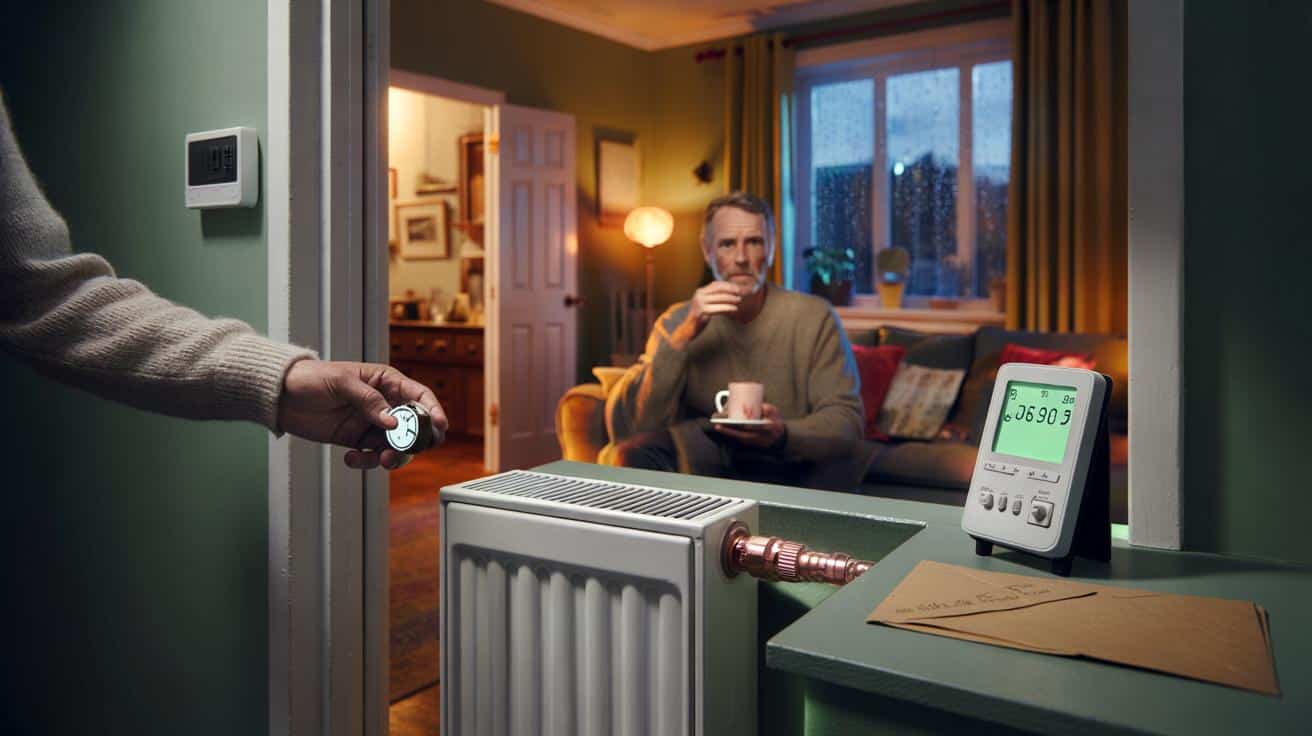
It’s a Tuesday in late November, the kind that smells of wet pavements and the first mince pies. A dad in a wool jumper taps his hallway thermostat to 22°C, then shakes his head and nudges it back. The radiators begin their gentle hiss. In the kitchen, a smart meter blinks like a tiny lighthouse. He wipes a window with his sleeve, sees his breath, and laughs at himself. Heat, it turns out, is a mood as much as a number. He makes tea, checks the living room thermostat valve, and sits down with the post — a bill he doesn’t want to open. We’ve all had that moment where it feels like the house decides the terms of comfort, not us.
Then he stopped touching the dial.
The quiet power of a steady dial
There’s a reason many engineers talk about a “set‑and‑stay” approach. Pick a slightly lower temperature and hold it. That small discipline cuts the peaks that drain energy and money, while keeping rooms comfortable. It sounds boring. It’s quietly transformative.
Consider a flat in Leeds where the thermostat lived in the hallway — classic British setup. The owner used to “boost” the heating every evening to warm up fast. Bills felt jumpy. One winter she chose a fixed **19°C** and let the system do the work, nudging radiator valves so the lounge felt cosier than the spare room. Her smart meter curve flattened. The flat felt calmer. Her costs edged down month after month.
Why does this work? Heat loss grows with the difference between inside and outside temperatures. Blast your rooms to 22–23°C and you fuel bigger leaks through walls, windows, and even keyholes. A steady **19°C** means smaller losses, fewer on/off swings, and better efficiency from condensing boilers at lower flow temperatures. Your space stays warm enough, without the energy rollercoaster.
Make the habit stick
Here’s the move: choose a target temperature — 18–19°C for most healthy adults — and keep it steady through your busiest hours. Use thermostatic radiator valves to zone rooms you actually live in. If you’ve got a condensing boiler, lower the flow temperature to around 55–60°C for radiators. Bleed radiators so they heat evenly. Close doors to keep warmth where you are.
Common pitfalls are simple. People boost the thermostat to “heat faster” and then forget, so the house overshoots and the boiler races. Or they close every vent in unused rooms, risking cold corners and condensation. Keep little-used rooms on a low setting, not off. Don’t block radiator valves with curtains or sofas. Let the system breathe and work at a steady pace. Let’s be honest: no one does that every single day.
There’s also the rhythm of the home to respect — school runs, late shifts, the Sunday roast. *Your heating should fit that rhythm, not fight it.*
“A steady 19 beats a spiky 22,” says Tom, a heating engineer from Derby. “Lower flow, fewer spikes, warmer people. That’s the sweet spot.”
- Pick a fixed setpoint: **set‑and‑stay** at 18–19°C.
- Lower boiler flow to 55–60°C for radiators (keep hot water cylinder at 60°C).
- Use TRVs: lounge higher, hallway moderate, bedrooms cooler.
- Bleed radiators at the start of winter.
- Close doors and curtains at dusk; open curtains to free heat from the sun.
- Draft-proof gaps under doors and around letterboxes.
Why small feels big in winter
We think savings live in expensive kit. Often they live in habit. A single degree less, held steady, can trim a meaningful slice off gas use across a season. A smoother profile also suits modern boilers and heat pumps, which love slow-and-low. Money saved doesn’t feel dramatic in a day. It shows up by the month.
This habit carries other quiet wins. Rooms feel more even and less “on/off” clammy. Condensation eases as surfaces stay closer to air temperature. The house sounds calmer, without that frantic radiator clatter at 6pm. And when cold snaps hit, you’re already closer to comfort, not scrambling.
The bit you feel is control. One dial, fewer twitches, less fuss. You close the door, settle on the sofa, and the heat feels like background music rather than a drum solo. You’re still warm. Your meter looks less dramatic. The habit pays off in the background.
Energy is a story told in small, repeatable choices. You don’t have to live in a parka or renovate. You can pick a number and stick. Share it with the people you live with. Turn heating into the quiet routine that makes your place feel yours — not the grid’s. A winter is long; a habit is longer. You might even enjoy the calm of it. The bill won’t mind either.
| Key point | Detail | Interest for the reader |
|---|---|---|
| Set‑and‑stay at 18–19°C | Hold a steady target across busy hours | Lower peaks, smoother comfort, fewer surprises on bills |
| Lower boiler flow temperature | Aim for 55–60°C on a condensing boiler | Improves efficiency and makes radiators gentler but effective |
| Close doors and curtains | Zone your warmth and trap evening heat | Immediate savings you can feel the same night |
FAQ :
- Is 19°C right for everyone?Not always. Young children, elderly people, or those with health conditions may prefer 20–21°C. Comfort and wellbeing come first.
- Won’t leaving it “on” use more gas?Not if the setpoint is lower and steady. The system cycles gently instead of racing to catch up from a cold start.
- What if I have a heat pump?Even better. Heat pumps thrive on low, steady temperatures and weather compensation. Set and hold, don’t chase highs.
- How fast will I notice savings?You’ll spot calmer smart meter curves in days. Bill impact shows over weeks as peaks flatten and usage smooths out.
- Is lowering flow temperature safe?Yes for space heating on condensing boilers. Keep hot water cylinders at 60°C to prevent bacteria. If rooms run cool, nudge the flow up slightly.






Loved the set‑and‑stay advice. I dropped to 19°C and lowered boiler flow to 57°C; the radiators feel smoother and the smart meter is less spiky. Any reccomendations for balancing TRVs in a north‑facing flat so the lounge stays toastier than the hallway?